

Celebrating African American Innovators in Manufacturing & Tech
02.07.23

Celebrating African American Innovators in Manufacturing & Tech
As we celebrate Black History Month, we’re shining a spotlight on five African American innovators and changemakers in manufacturing and technology. Without the vision of these profound innovators, we would not have the advances in manufacturing and tech we still utilize today! From household items like a lightbulb to pacemakers and U.S. military guided missiles, the advances in technology discovered by the below continue to impact our daily lives. Join us as we celebrate five incredible innovators in manufacturing and technology!
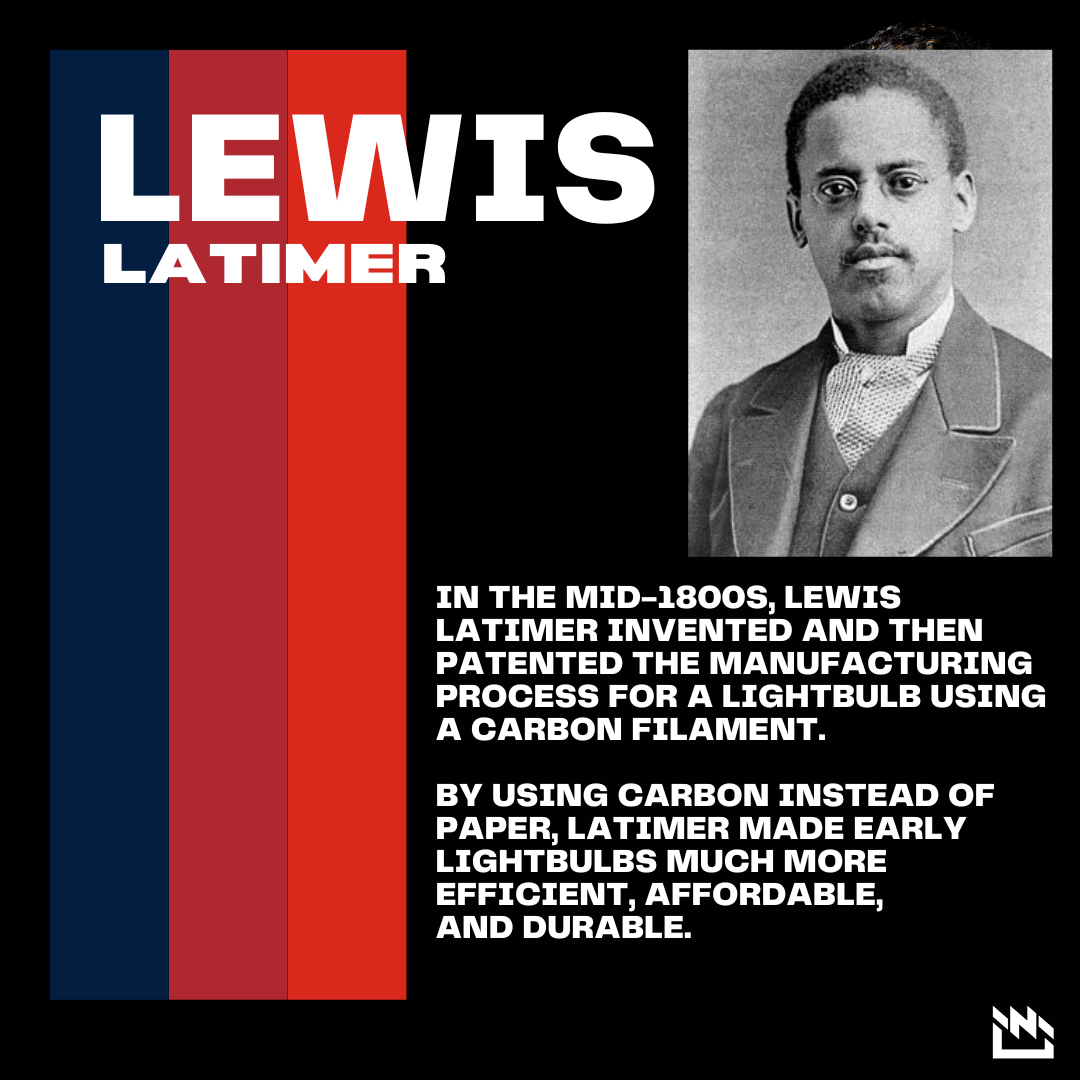
In the mid-1800s, Lewis Howard Latimer invented and then patented the manufacturing process for a lightbulb using a carbon filament. By using carbon instead of paper, Latimer made early lightbulbs much more efficient, affordable, and durable.
Today, work continues on new applications harnessing carbon’s special electrical conductivity properties at high temperatures, as discovered by Latimer. Projects supported by EERE’s Advanced Manufacturing Office are looking at innovative wires using carbon nanotubes to improve the performance, energy efficiency, and reliability of electrical machines across the manufacturing sector. Learn more.
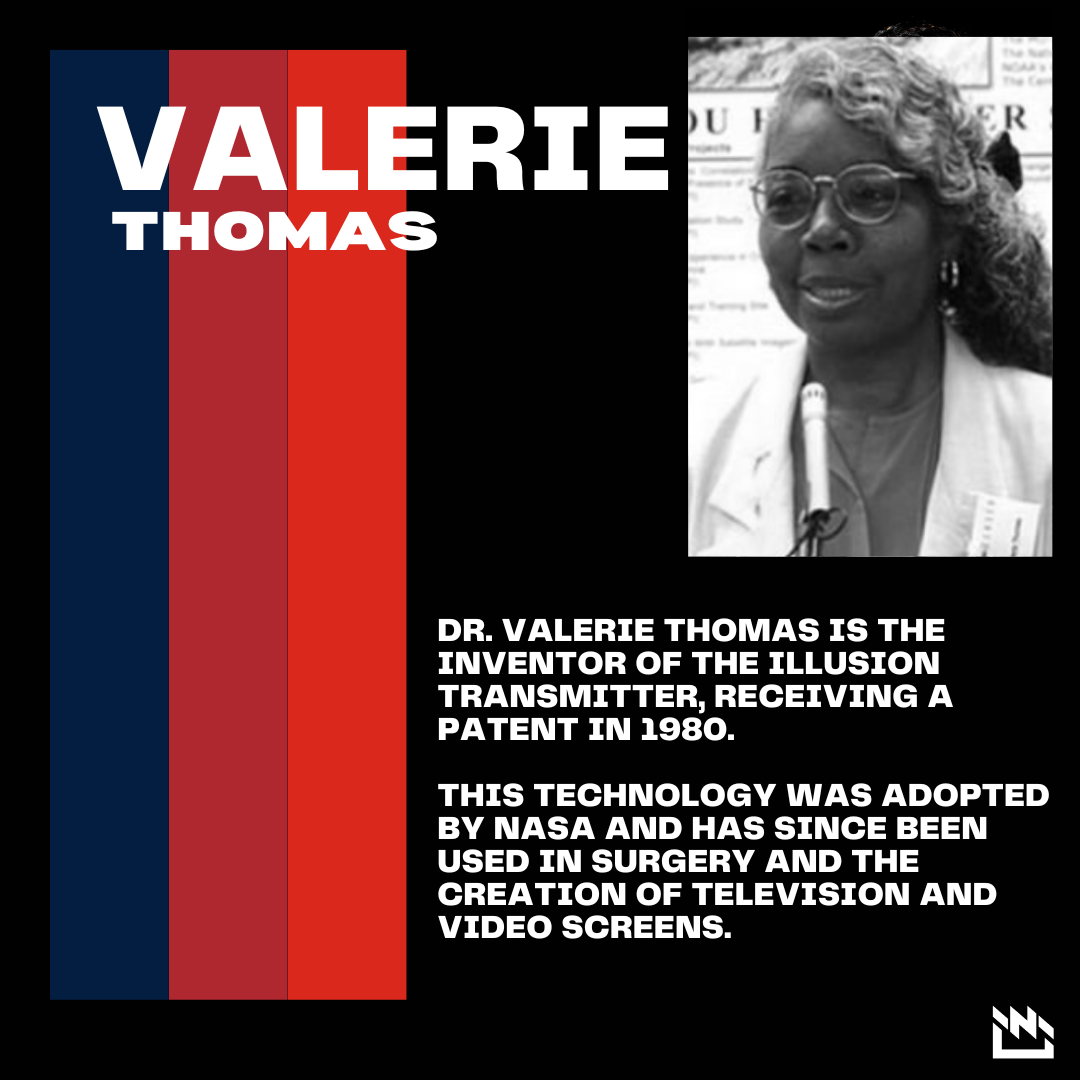
Dr. Valerie Thomas is the inventor of the Illusion Transmitter, receiving a patent in 1980. This technology was adopted by NASA and has since been used in surgery and the creation of television and video screens.
Thomas had a long career with NASA, beginning as a data analyst and eventually overseeing the creation of the Landsat satellite program. While at NASA, she worked as project manager for the Space Physics Analysis Network and was associate chief for NASA’s Space Science Data Operations Office. She helped to develop computer program designs that supported research on Halley’s Comet, the ozone layer, and satellite technology. She retired in from NASA in August 1995. Learn more.

Otis Boykin’s work on improved electrical resistors made possible the steady workings of a wide variety of electrical devices. Variations of his resistor technologies are used in televisions, radios, computers, pacemakers, and guided missiles.
In 1959, Boykin invented his wire precision resistor and two years later invented an improved version that could withstand extreme changes in temperature and pressure. It was cheaper and more reliable than previous types and was in demand by the U.S. military, IBM, and other high-tech organizations. In 1964, he developed a control unit for pacemakers making possible their precise regulation. The advances made by Boykin meant many electronic devices could be made cheaper and more reliable than previously possible. His resistors were quickly incorporated into many products ranging from common household goods to complex military technology that are still used throughout the world today.
As a young man, Boykin worked as a laboratory assistant in an aviation laboratory. He attended Fisk University and then the Illinois Institute of Technology, subsequently working for several electronic manufacturing firms where he developed a talent for devising highly reliable electronic components. Learn more.
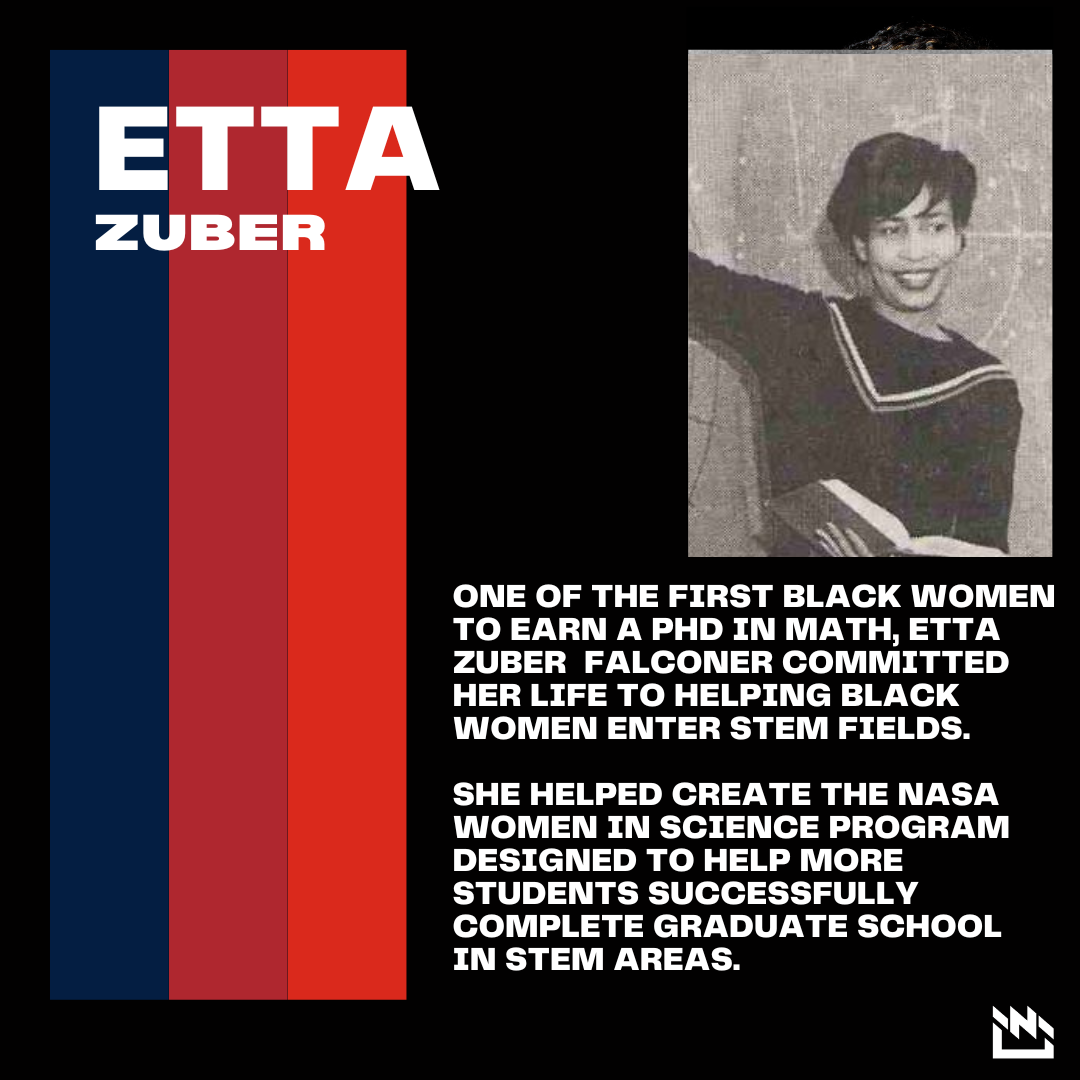
One of the first black women to earn a PhD in math, Falconer committed her life to helping black women enter STEM fields. In three decades at Spelman, Falconer was able to encourage and support hundreds of black women pursue science and math careers as she progressed from Instructor to Department Chair to Associate Provost. Falconer helped create the NASA Women in Science Program and the NASA Undergraduate Science Research Program both designed to help more students successfully complete graduate school in STEM areas.
Falconer was awarded the UNCF Distinguished Faculty Award (1986-1987), the Spelman Presidential Award for Excellence in Teaching (1988), the Spelman Presidential Faculty Award for Distinguished Service (1994), NAM’s Distinguished Service Award (1994), the AWM Louise Hay Award, for outstanding achievements in mathematics education (1995), QEM’s Giants in Science Award (1995), and an honorary doctorate of science from the University of Wisconsin-Madison (1996). She was also a member of countless panels, societies, organizations, and committees. Learn more.
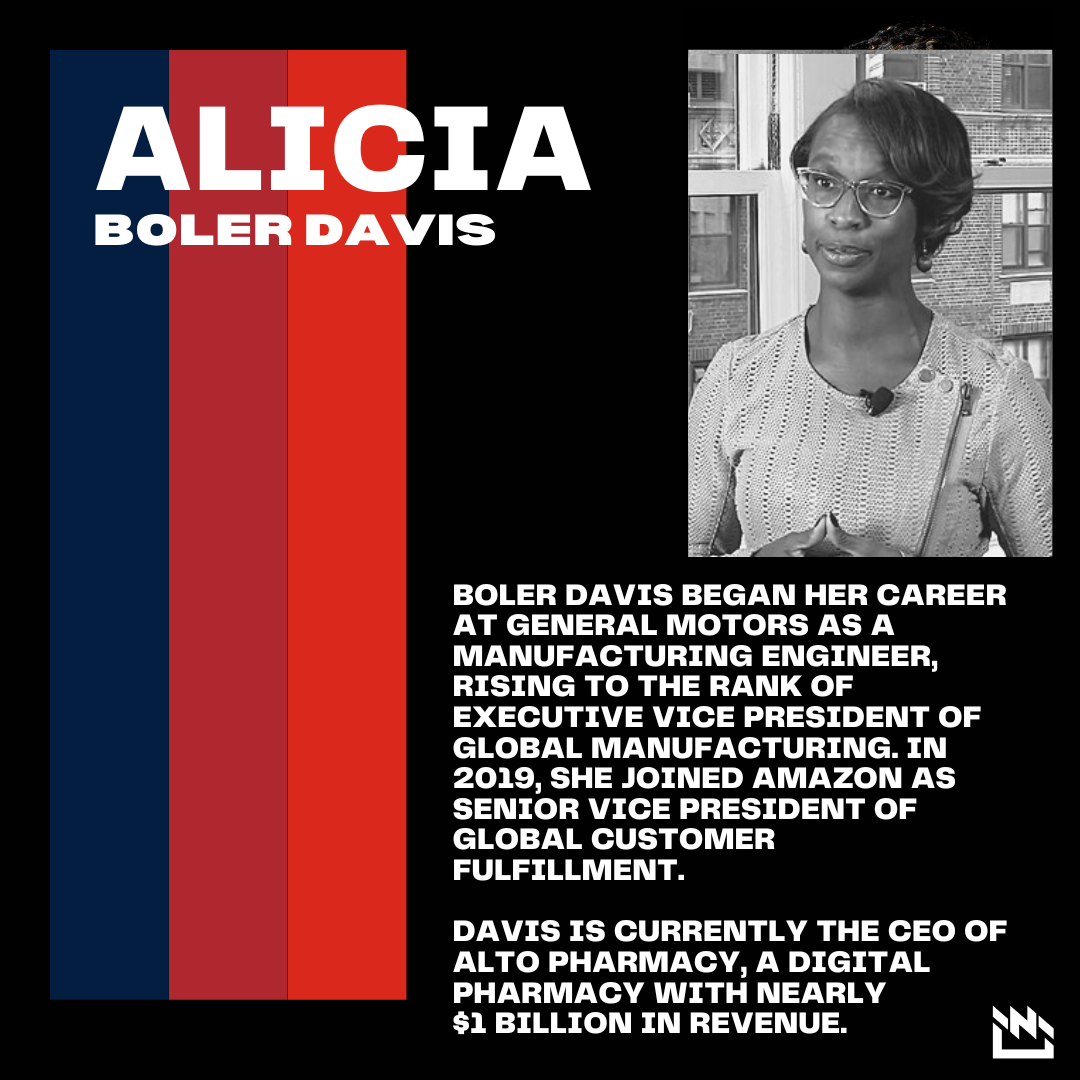
Alicia Boler Davis is an American engineer and businesswoman. Boler Davis began her career at General Motors as a Manufacturing Engineer, rising to the rank of executive vice president of global manufacturing in 2016. In 2019, she joined Amazon as senior vice president of global customer fulfillment. During her time at Amazon, she led much of the company’s response to the Covid-19 pandemic and became the first Black executive to join its senior leadership.
In late June 2022, Davis announced she would become the new CEO of Alto Pharmacy, a digital pharmacy startup with about $1 billion in revenue and 1,200 employees, starting in September 2022. Learn more.
—
Learn more about Northland Workforce Manufacturing Center
Sources linked. For more information, please click each image.